VAR Can Review Forest’s Penalty but Not the Throw-In That Created It
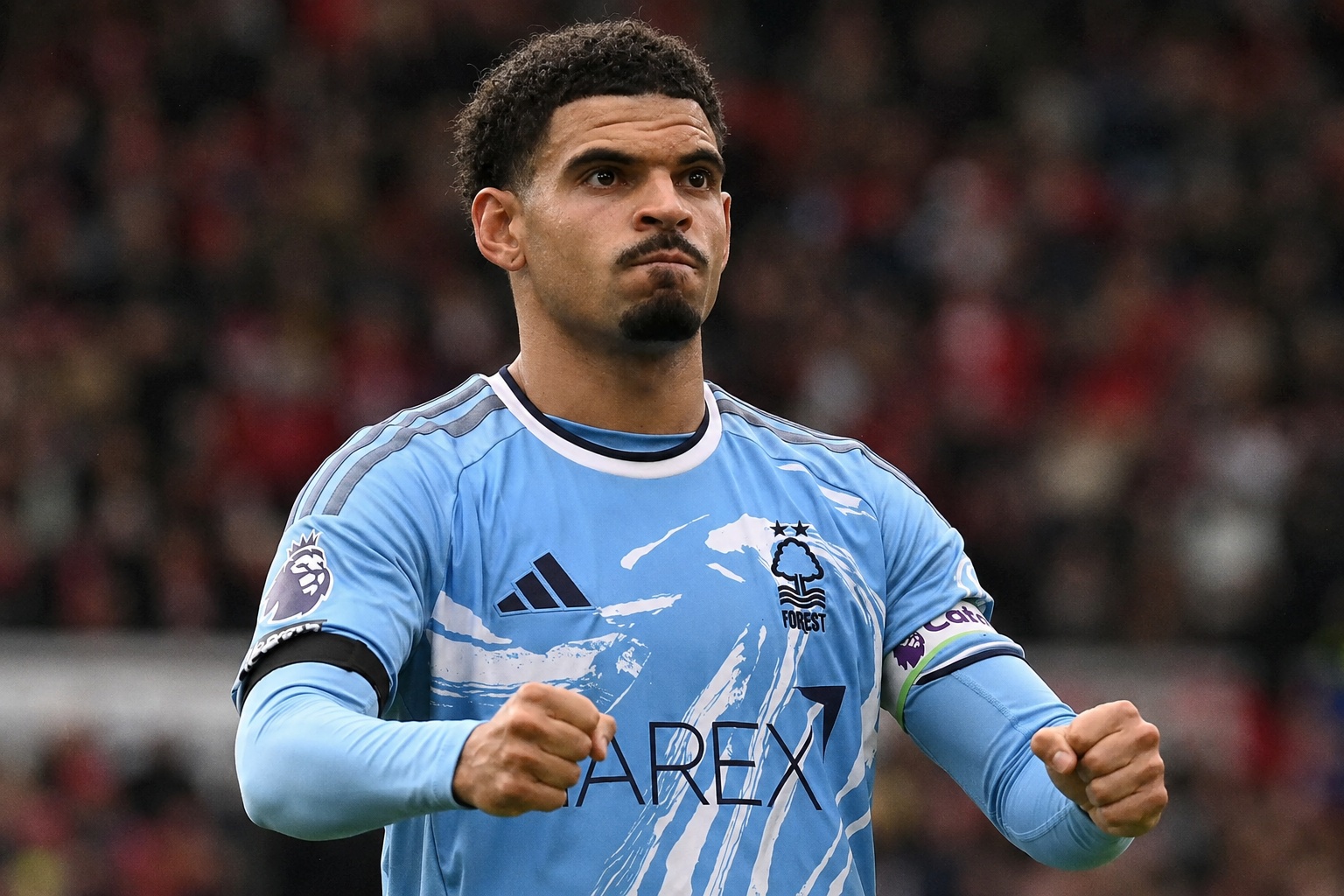
Nottingham Forest’s second goal against Liverpool was allowed to stand because VAR could examine the penalty but not the disputed Liam Delap throw-in that created it.
Delap restarted play quickly before Neco Williams carried the ball into Liverpool’s penalty area and was brought down by Alisson. Referee Samuel Barrott pointed to the spot, allowing Morgan Gibbs-White to score Forest’s second goal in the 2-2 draw at Anfield.
Liverpool supporters subsequently questioned whether the move should have progressed that far.
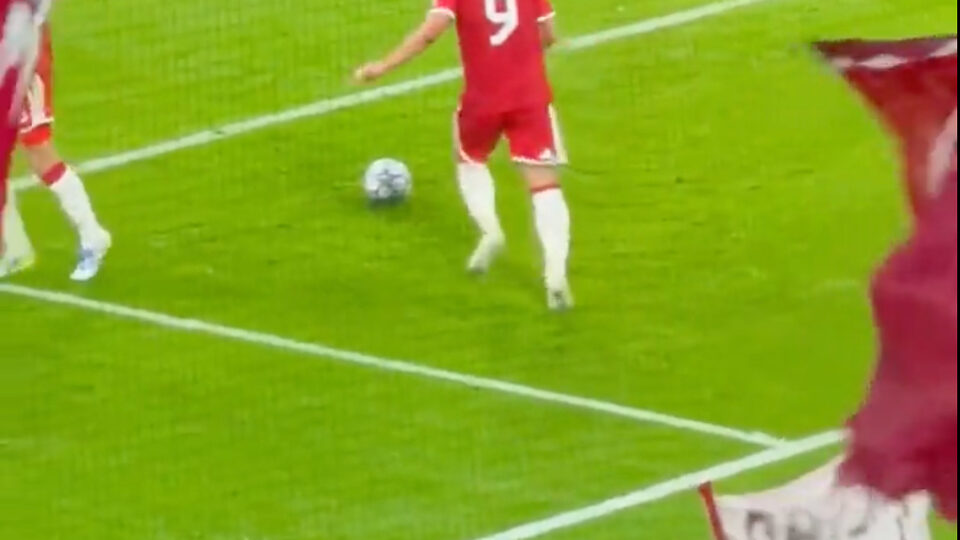
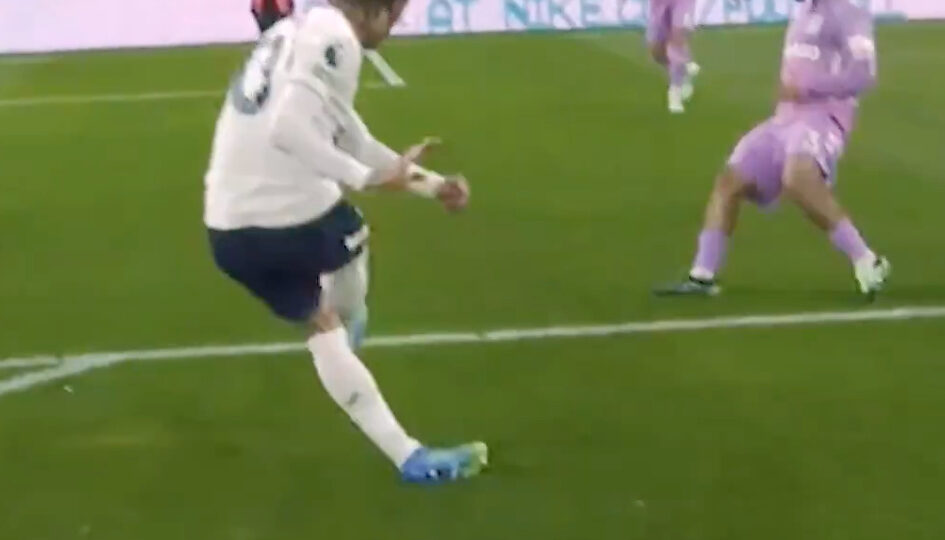
Replays prompted claims that Delap had lifted one of his feet while taking the throw. Under Law 15, part of each foot must remain on the touchline or on the ground outside it when the ball is released.
However, a technical offence committed while taking a throw-in is not among the decisions VAR is permitted to correct.
The system could check whether Alisson had fouled Williams and whether the incident occurred inside the penalty area. It could not return to the beginning of the move and award Liverpool a throw-in because Delap might have taken Forest’s incorrectly.
Former Premier League referee Graham Scott also suggested that the footage did not conclusively prove an offence. Scott believed Delap’s foot may only have lifted after the ball had left his hands, which would make the throw legal.
That distinction did little to simplify an incident in which the most advanced refereeing technology available was capable of inspecting the end of the move but required everyone to accept how it began.
VAR is restricted to goals, penalties, direct red cards and cases of mistaken identity. Routine restart decisions remain with the on-field officials, even when they immediately produce something VAR is allowed to review.
VAR could examine how Forest’s attack ended. The way it started remained somebody else’s decision.